How to Reduce Club Rental Costs: Ultimate Logistics & Sourcing Guide
Traveling for recreation introduces significant logistical challenges, particularly regarding the transportation or temporary acquisition of sporting equipment. When enthusiasts visit distant regions, airline baggage fees, carrier damage risks, and steep resort rental rates combine to inflate trip budgets. Managing these equipment expenses requires a structured approach to logistics, alternative shipping networks, and equipment sourcing.
Resort pro shops and independent rental fleets often charge premium daily rates for temporary hardware sets. These high fees reflect inventory maintenance, rapid depreciation, and convenience markups. Travelers frequently accept these costs blindly, viewing them as an unchangeable component of destination travel.
This comprehensive reference guide examines the structural drivers of equipment expenditure, evaluation frameworks, and strategic alternatives for budget optimization. By analyzing direct carrier shipping, third-party logistics providers, and local sourcing options, travelers can significantly lower their overhead. Mastery of these operational principles ensures long-term financial efficiency across multi-day sporting excursions.
Understanding “how to reduce club rental costs”
To understand how to reduce club rental costs, one must examine the intersection of resort pricing models, airline baggage policies, and specialized shipping logistics. Many observers approach temporary equipment acquisition through an oversimplified lens, assuming that paying daily pro shop rates is the only viable path. This naive perspective ignores independent courier networks, regional consignment programs, and multi-day package discounts.
A common misunderstanding involves assuming that airline baggage fees are always lower than renting hardware at the destination. While standard commercial airlines charge moderate rates for checked bags, oversized equipment fees, multiple connections, and international carrier restrictions frequently multiply those baseline expenses. True comprehension of how to reduce club rental costs requires calculating total door-to-door transit expenditures rather than focusing solely on single-line charges.
Oversimplification risks also manifest in ignoring equipment performance trade-offs. Renting heavily worn house sets can compromise athletic performance and enjoyment during high-end excursions. Effective cost reduction strategies must balance financial savings against hardware quality and player familiarity.
Deep Contextual Background
The evolution of equipment rental logistics mirrors the growth of commercial aviation and the expansion of destination resort tourism. Historically, travelers packed heavy hardware into rigid wooden or leather travel cases, relying on passenger rail systems and early airline networks. These traditional methods exposed gear to rough handling and substantial excess baggage tariffs.
The late twentieth century introduced standardized molded travel covers and dedicated courier services, providing alternative transit methods for recreational gear. Simultaneously, resort properties recognized equipment rentals as a lucrative ancillary revenue stream, establishing standardized fleets maintained by pro shop staff.
Today, specialized shipping enterprises and peer-to-peer sharing platforms compete directly with traditional resort rental counters. This modern competitive marketplace gives travelers unprecedented flexibility in managing equipment logistics. Understanding these structural shifts allows organizers to select the most cost-effective sourcing model for each journey.
Conceptual Frameworks and Mental Models
The Total Cost of Transit Model
This framework aggregates airline baggage fees, insurance riders, and potential damage repair costs to establish a true baseline for flying with personal equipment.
-
Limits: Unpredictable baggage handling delays can invalidate financial calculations by forcing emergency equipment rentals.
The Utilization Frequency Index
This model measures the daily cost of rental equipment against the total number of rounds played during an excursion.
-
Limits: Extended trips reduce the daily average cost of rentals, shifting the financial balance away from shipping.
The Performance Risk Threshold
This approach evaluates how unfamiliar rental specifications impact player scoring averages and physical comfort.
-
Limits: Highly skilled players experience severe performance drops when using uncustomized rental equipment.
The Logistics Third-Party Matrix
This mental model compares the reliability and cost of specialized door-to-door courier networks against standard commercial airline cargo handling.
-
Limits: Courier pickup windows require strict scheduling discipline that conflicts with flexible travel plans.
Key Categories and Structural Variations of Sourcing Alternatives
| Sourcing Strategy | Primary Operational Mechanism | Typical Cost Range | Primary Advantage | Primary Risk Factor |
| Resort Pro Shop Rentals | On-site daily hardware leasing | $60 to $120 per day | Ultimate convenience and zero transit stress | Premium pricing and variable hardware quality |
| Direct Airline Transport | Checking personal gear as baggage | $35 to $150 per round-trip | Familiar equipment performance | Baggage damage and carrier loss risk |
| Specialized Shipping Couriers | Door-to-door specialized freight | $100 to $250 per round-trip | Eliminates airport luggage handling | Strict scheduling and pickup deadlines |
| Off-Site Local Rental Shops | Independent regional leasing agencies | $40 to $80 per day | Lower rates than resort pro shops | Requires ground transit to retrieve gear |
| Destination Peer Borrowing | Utilizing friend or acquaintance gear | Nominal or zero cost | Maximum financial savings | Availability and sizing mismatches |
| Destination Retail Demo Programs | Renting premium current-year models | $70 to $130 per day | Access to cutting-edge equipment technology | Limited inventory and strict return windows |
Realistic Decision Logic for Selection
Choosing the optimal sourcing strategy depends on trip duration and transportation logistics. When exploring how to reduce club rental costs, short weekend excursions favor utilizing resort rentals or off-site local shops to bypass transit overhead. Conversely, extended multi-week journeys make specialized courier shipping or airline transport economically viable. Aligning the chosen method with trip length ensures optimal fiscal efficiency.
Subheading Distribution and Operational Management
Evaluating Short-Term Versus Long-Term Sourcing
Short-term trips introduce unique financial hurdles because fixed shipping fees do not scale down for single-day use. Travelers visiting a destination for forty-eight hours incur high per-day costs if they ship personal gear through specialized couriers. In these specific instances, local off-site rental agencies provide a balanced financial compromise.
Managing Inventory Availability Risks
Independent rental agencies often operate with constrained inventory pools during peak tourism seasons. Failing to reserve equipment weeks in advance forces travelers back toward expensive resort pro shop counters. Securing written rental confirmations eliminates unexpected price surges upon arrival.
Detailed Real-World Scenarios and Operational Stress Tests

Scenario A: The Airline Baggage Loss Crisis
-
Constraints: A traveler checks personal equipment on a multi-leg international flight, and the airline misroutes the luggage entirely.
-
Decision Points: Purchasing emergency replacement gear versus renting pro shop sets for the opening rounds.
-
Failure Modes: The resort pro shop has exhausted its rental inventory, leaving the traveler without equipment for two days.
-
Second-Order Effects: The traveler incurs unexpected emergency purchase costs while waiting for airline luggage recovery.
Scenario B: The Courier Transit Delay
-
Constraints: A traveler schedules a specialized shipping service to deliver equipment to a remote mountain resort.
-
Decision Points: Waiting at the resort for delayed delivery versus renting backup equipment for the first round.
-
Failure Modes: Severe regional weather delays the courier van, causing the gear to arrive after the scheduled tee time.
-
Second-Order Effects: The traveler pays for both the expensive shipping service and a full day of backup resort rentals.
Scenario C: The Off-Site Rental Transit Burden
-
Constraints: A traveler chooses an affordable off-site rental agency located twenty miles away from the destination resort.
-
Decision Points: Renting a larger vehicle to transport the gear versus paying local taxi fares for pickup.
-
Failure Modes: Transportation expenses exceed the cost savings achieved by avoiding resort-tier rental rates.
-
Second-Order Effects: Transit friction consumes valuable leisure time, increasing stress levels for the group.
Scenario D: The Substandard Equipment Performance Trap
-
Constraints: A low-cost rental set features incorrect shaft flexes and worn grips that clash with the player’s swing dynamics.
-
Decision Points: Struggling through the round with unsuitable gear versus paying upgrade fees mid-trip.
-
Failure Modes: Poor equipment performance leads to physical strain and a frustrating athletic experience.
-
Second-Order Effects: The primary financial savings are overshadowed by negative emotional feedback and ruined round enjoyment.
Planning, Cost, and Resource Dynamics
Executing a cost-reduction strategy requires balancing upfront shipping tariffs against variable daily rental rates. Direct costs include courier shipping labels, airline baggage fees, and daily rental agreements. Indirect costs encompass vehicle upgrade fees for larger cargo space and potential equipment insurance deductibles.
Resource variability stems from seasonal demand surges, fluctuating fuel surcharges, and regional currency shifts. Planners must maintain contingency budgets to absorb unforeseen transit delays or emergency replacement expenses.
| Expense Element | Baseline Budget Range | Peak Season Budget Range | Primary Cost Drivers |
| Airline Checked Baggage | $70 (Domestic round-trip) | $300 (International multi-carrier) | Excess weight limits and connection fees |
| Specialized Couriers | $120 (Standard ground transport) | $280 (Expedited air freight) | Distance, weight, and delivery speed |
| Off-Site Daily Rentals | $150 (Three-day duration) | $400 (Peak weekend duration) | Fleet exclusivity and model year tier |
| Resort Pro Shop Leases | $200 (Three-day duration) | $600 (Peak seasonal duration) | Convenience markup and resort prestige |
Tools, Operational Strategies, and Support Systems
Specialized Shipping Platforms
Digital courier interfaces allow users to schedule door-to-door transit of sporting equipment with integrated tracking and insurance coverage.
-
Limits: Requires precise packaging compliance and adherence to carrier drop-off deadlines.
Independent Rental Aggregators
Online booking portals compare rates across multiple off-site equipment leasing agencies within specific destination markets.
-
Limits: Inventory availability updates may experience synchronization lags during high-demand holiday weekends.
Credit Card Travel Protections
Premium travel credit cards offer built-in baggage delay and loss insurance that reimburses emergency rental expenses.
-
Limits: Reimbursement claims require extensive documentation, police reports, and airline delay certificates.
Compact Travel Cases
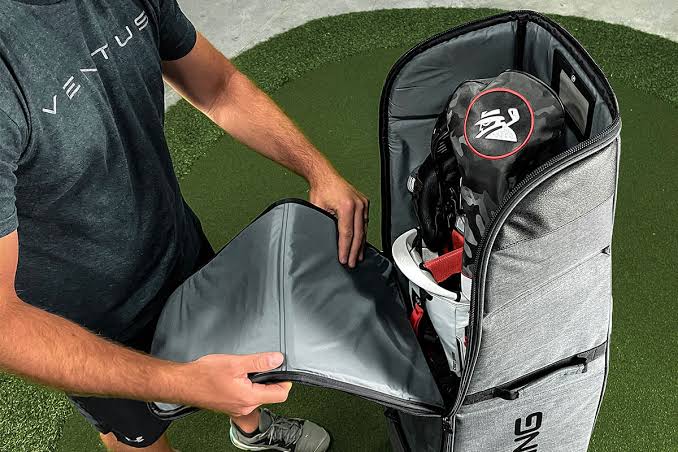
Rigid or semi-rigid travel bags protect personal equipment while minimizing exterior dimensions to avoid oversized airline fees.
-
Limits: Packing internal support struts correctly is necessary to prevent severe shaft damage during transit.
Local Consignment Networks
Regional sporting goods exchanges offer short-term equipment leasing arrangements at fraction of traditional retail rates.
-
Limits: Selection is restricted to whatever inventory local sellers have deposited in the store.
Digital Expense Trackers
Mobile finance applications monitor total trip logistics expenses, comparing shipping costs against daily rental expenditures in real time.
-
Limits: Relies on manual data entry by the user following every financial transaction.
Risk Landscape, Failure Modes, and Compounding Vulnerabilities
The operational risk landscape surrounding equipment logistics is defined by transit interdependency. A delayed courier delivery or a mishandled airline bag disrupts the entire travel schedule, forcing emergency financial expenditures.
Financial risks materialize when travelers commit to rigid non-refundable shipping contracts without backup contingencies. If travel plans change due to medical emergencies or severe weather, shipping fees are rarely recovered.
Communication breakdowns compound administrative errors. If an off-site rental shop fails to record a reservation correctly, the traveler arrives to find zero available inventory during peak demand periods.
Governance, Maintenance, and Long-Term Adaptation
Maintaining logistical efficiency across recurring annual travel requires institutional memory and structured post-trip reviews. Travelers should archive shipping receipts, vendor contracts, and airline luggage tags in a digital repository to inform future journeys.
Review cycles should occur immediately following trip completion. Analyzing transit friction, baggage handling issues, and total expenditure variances helps eliminate recurring mistakes on subsequent excursions.
Establishing clear personal travel protocols protects financial resources. Documenting preferred shipping providers and airline baggage policies upfront prevents unexpected cost overruns on future trips.
Measurement, Tracking, and Evaluation Metrics
Evaluating equipment cost reduction success relies on tracking both leading and lagging performance indicators.
Leading indicators include timely booking of shipping couriers, verification of airline baggage allowances, and advance reservation of off-site rentals. If milestones are missed, corrective planning adjustments must be deployed immediately.
Lagging indicators encompass total transit expenditure adherence, incidence rates of equipment damage, and qualitative satisfaction scores. Quantitative financial data combines with qualitative feedback to form a complete evaluation profile.
Documentation Examples
-
The Logistics Cost Ledger: A comprehensive spreadsheet recording airline fees, courier shipping labels, and daily rental expenditures.
-
The Equipment Condition Log: A verification document noting the baseline state of personal gear before and after transit.
-
The Vendor Contact Directory: A centralized list of phone numbers and operating hours for off-site rental agencies and shipping providers.
Common Misconceptions and Industry Oversimplifications
-
Myth: Checking personal equipment with commercial airlines is always the cheapest transit option available.
-
Correction: Excessive international baggage fees and multiple connection tariffs can easily surpass specialized courier rates.
-
-
Myth: Resort pro shop rental sets are universally modern and customized for low-handicap players.
-
Correction: Standard resort rental fleets often feature older, forgiving game-improvement models designed for casual guests.
-
-
Myth: Shipping equipment ahead of time eliminates all risks of transit damage.
-
Correction: Courier networks still experience rough handling, requiring sturdy rigid travel cases for proper protection.
-
-
Myth: Off-site rental agencies always provide free delivery and pickup services to destination hotels.
-
Correction: Most independent shops require the traveler to retrieve and return equipment directly from their storefront.
-
-
Myth: Travel credit card insurance covers all equipment damage regardless of how the case was packed.
-
Correction: Insurance providers deny claims if internal packing fails to utilize stiff arm supports or proper bracing.
-
-
Myth: Peer-to-peer equipment borrowing requires zero administrative coordination.
-
Correction: Coordinating schedules, sizing compatibility, and safe drop-off locations demands careful planning.
-
-
Myth: Budget optimization requires sacrificing equipment quality entirely on every trip.
-
Correction: Strategic planning allows travelers to balance affordable transit methods with high-performance hardware.
-
Contextual Considerations and Environmental Stewardship
Balancing equipment logistics with regional environmental stewardship requires mindful behavior from traveling sports enthusiasts. High-volume manufacturing of travel covers and frequent air freight contribute to corporate carbon footprints. Responsible travelers maintain equipment carefully to extend product life cycles and reduce unnecessary consumption.
Navigating regional transport regulations ensures smooth interactions with local shipping couriers and airline cargo staff. Understanding customs requirements when transporting hardware across international borders prevents costly border delays and administrative fines.
Community engagement also plays a subtle role. Supporting local independent rental businesses sustains regional sporting infrastructure and fosters positive economic relationships within destination communities.
Conclusion
Executing effective cost reduction strategies for sports equipment logistics demands rigorous planning, financial discipline, and operational foresight. By replacing casual assumptions with structured sourcing frameworks, travelers eliminate the excessive fees that frequently inflate destination excursions. Whether analyzing how to reduce club rental costs through specialized courier shipping or off-site leasing agencies, adherence to professional planning principles ensures a financially sound journey from departure to return.